Gluvy
Gluvy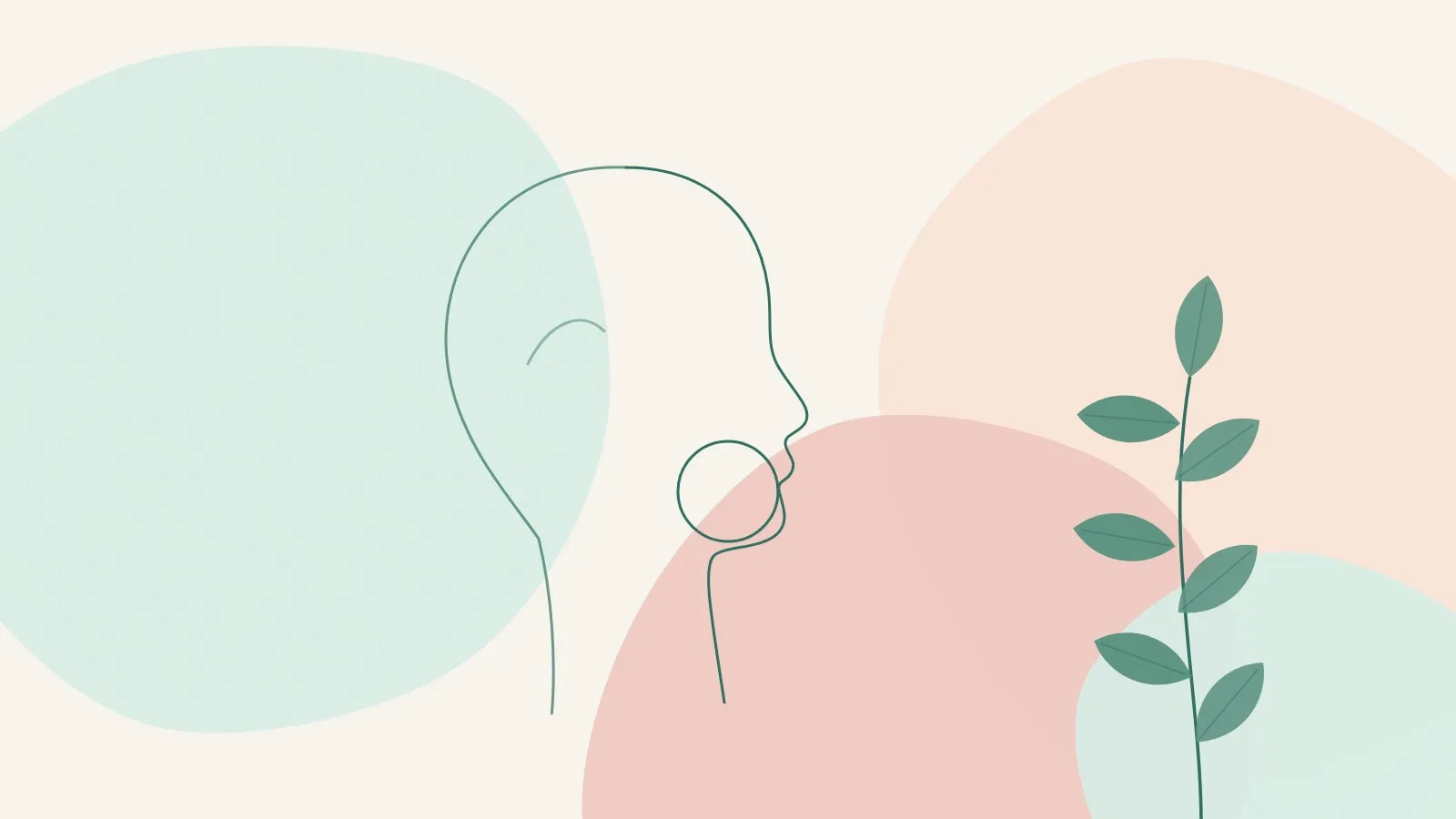
Does mewing work? There is no good scientific evidence that mewing reshapes an adult’s jaw or face, and the American Association of Orthodontists says it lacks scientific backing. What mewing can change in seconds is how you hold your head, neck and chin, and that alone makes a jawline look different in photos. Below is a calm look at what mewing is, where it came from, what the research says, and what you can realistically do for your jawline.
The short answer
Mewing hasn’t been shown to change adult bone, but posture changes how your jaw looks. If you’ve watched mewing videos and wondered whether you’re missing out, here is the honest picture:
- Reshaping the adult jaw: not supported by research. The orthodontists’ professional body in the US says there is no scientific evidence for its jawline claims (American Association of Orthodontists, 2024).
- Looking sharper in photos: yes, often, but that comes from lifting the chin, lengthening the neck and changing the camera angle, not from new bone.
- Resting your tongue comfortably: a normal, relaxed position. Forcing it all day is where the concerns start.
What mewing is
Mewing is the practice of holding the whole tongue flat against the roof of the mouth, usually with the lips closed and the teeth lightly together or just apart. Many videos also tell you to keep it there for hours a day, sometimes pressing hard (often called “hard mewing”), in the hope of a wider palate and a more defined jawline.
The name comes from John Mew, a British orthodontist (American Association of Orthodontists, 2024). His approach to facial growth is known as orthotropics. The ideas later spread online, and the term “mewing” took off on YouTube and later TikTok.
The approach has been controversial within dentistry, and orthodontists’ organisations have raised concerns about it, as the next section explains.
What research says about mewing
High-quality evidence that mewing changes an adult’s jaw is lacking. Mewing’s claims rest on videos and personal stories rather than controlled studies showing that holding your tongue against your palate reshapes an adult’s jaw or chin. The American Association of Orthodontists’ 2024 statement calls mewing an unregulated practice without scientific backing (AAO, 2024).
It helps to separate two very different situations:
- Children and teens. Their jaws are still growing, which is why orthodontists plan some treatments around a child’s growth. Whether, when and how to do that is a clinical decision for a dentist or orthodontist who has examined the child, not something to copy from a video.
- Adults. Once growth has finished, the jawbone and chin keep their basic size and shape. Our guide to how to get a more defined jawline explains why bone sits in the “mostly fixed” group.
Why “mewing before and after” photos aren’t evidence
Mewing before and after photos are uncontrolled, so they can’t show what caused a change. Between two photos, almost everything can differ:
- Lighting. Light from above or the side throws a shadow under the jaw and makes the edge look sharper.
- Camera angle and distance. A camera held close to the face distorts proportions; one study found that selfies taken at around 30 cm made the nose look noticeably larger than photos taken from further away (Ward et al., 2018).
- Head and neck posture. A raised chin and a long neck change the angle between the jaw and neck instantly.
- Weight, age and time. Changes in body fat or a few years of growth in a teenager can change a face on their own.
- Selection. People share the photos that look best, not the ones that show no change.
The same problems apply to face yoga photos. Our guide to face yoga before and after photos shows how to take fairer comparison photos of your own.
Why mewing photos look different
Most of the visible “mewing effect” is posture: the moment you press your tongue up, your chin and neck tend to move too. Try it in a mirror. Pressing the tongue to the palate often lifts the area under the chin slightly, straightens the neck and pulls the head back over the shoulders.
That has real value as a posture cue. Many of us spend hours looking down at phones, with the head drifting forward. When the head drifts forward and down, the soft tissue under the chin bunches up and the jawline blurs, whatever your bone structure. Bringing the head back over the shoulders restores that line straight away.
Posture matters for comfort too. An analysis of head position found that the load on the neck rises sharply as the head tilts forward (Hansraj, 2014). Our explainer on what tech neck is goes into the causes, and our tech neck exercises give you gentle moves to counter it.
Possible downsides of mewing
Gentle tongue resting is unlikely to cause problems, but forceful, constant pressing can strain the teeth and jaw. The American Association of Orthodontists warns that chronic pressure could loosen teeth, shift the bite and affect speech, and that correcting those problems may need complicated treatment (AAO, 2024).
Hard mewing can also go hand in hand with clenching. Clenching and grinding are linked with tired, tight jaw muscles, jaw or face pain and headaches (Cleveland Clinic). Problems with the jaw joint and the muscles around it are grouped as temporomandibular disorders (TMD), which can cause jaw pain, clicking or popping, and stiffness or locking when you open your mouth (NHS; Cleveland Clinic).
When to see a dentist or orthodontist
Stop pressing and book an appointment with a dentist if you notice:
- Jaw pain, clicking, popping or locking
- Sore, sensitive or loose-feeling teeth
- A change in how your teeth meet when you bite
- Headaches or ear pain that seem linked to your jaw
- Changes in your speech
If you’re unhappy with your bite or the shape of your jaw, an orthodontist can examine you and explain what treatment can and can’t do. If your jaw often feels tight, our jaw tension relief guide has a gentle routine and more on when to get help.
Mewing vs face yoga
Mewing and face yoga are different habits, and neither has strong evidence for changing how a face is shaped. Mewing focuses on where your tongue rests. Face yoga is a routine of facial exercises, stretches and self-massage for the forehead, eyes, cheeks, jaw and neck.
The best-known face yoga study was a small 2018 pilot: 27 women aged 40 to 65 enrolled, 16 completed 20 weeks of exercises, and dermatologists rating their photos saw fuller upper and lower cheeks, with estimated age dropping from 50.8 to 48.1 years (Alam et al., 2018). It had no control group and didn’t look at the jaw, so larger controlled studies are needed. Our review of whether face yoga works covers the rest of the research. Neither practice changes bone, and both are best treated as habits that may help you relax and notice your posture.
Realistic ways to work on your jawline look
The levers that make the biggest difference are everyday ones: posture, a relaxed jaw, overall health and grooming.
- Watch your posture. Hold your phone closer to eye level, raise your screen, and keep your ears roughly over your shoulders. The tongue-up cue can be a handy reminder here, without any pressing.
- Relax your jaw. Lips closed, teeth slightly apart, tongue resting softly on the roof of your mouth. Check in a few times a day and let go of any clenching.
- Look after your overall health. Sleep, activity and a balanced diet affect body fat and puffiness more than any facial exercise. You can’t choose where your body loses fat, and spot reduction isn’t supported; our guide to the face fat myth explains why.
- Groom for your face. For men with beards, a clean neckline that follows the curve under the jaw frames it instead of hiding it. Our guide to facial exercises for men covers beard lines and jaw habits.
- Add face exercises or gua sha if you enjoy them. Our jawline exercises can help the jaw and neck feel looser and remind you of your posture. The evidence is limited and effects are modest.
Gluvy doesn’t teach mewing. Instead, the app’s chin and jawline plan guides you through jaw and neck exercises with follow-along videos and a timer on every step, and short courses like the Jaw Relaxation Routine and Neck Stretching Morning Routine focus on easing tension and resetting posture.
Prefer a guided routine for jaw and neck? Try Gluvy’s chin and jawline plan.
Work on jaw and neck habits with Gluvy
If you’d like to swap hard mewing for something gentler, Gluvy’s face yoga video workouts include more than 200 guided exercises for the forehead, eyes, cheeks, chin and jawline and neck, organised into 3-week plans of about 5 to 10 minutes a day. It’s a routine to practise, not a promise of a new jaw. For the bigger picture on face exercises and what the research shows, start with our complete guide to face yoga, or look up terms like orthotropics and tongue posture in our face yoga and gua sha glossary.
Sources
- American Association of Orthodontists. Risks of Mewing (press release), 2024.
- Ward B, et al. Nasal Distortion in Short-Distance Photographs: The Selfie Effect. JAMA Facial Plastic Surgery, 2018.
- Hansraj KK. Assessment of stresses in the cervical spine caused by posture and position of the head. Surgical Technology International, 2014.
- Cleveland Clinic. Teeth grinding (bruxism).
- NHS. Temporomandibular disorder (TMD).
- Cleveland Clinic. Temporomandibular disorders (TMD).
- Alam M, et al. Association of Facial Exercise With the Appearance of Aging. JAMA Dermatology, 2018.
Frequently asked questions
Can mewing change your face shape?
Research has not shown that mewing changes the shape of an adult's jaw or face. The American Association of Orthodontists says there is no scientific evidence for its jawline claims. What can change quickly is how you hold your head and neck, which is why mewing photos often look different.
How long does mewing take to work?
There is no evidence-based timeline, because there is no good evidence that mewing reshapes an adult jaw in the first place. Any video promising visible changes in a set number of weeks is not backed by research. If you have concerns about your bite or jaw, a dentist or orthodontist can tell you what is realistic.
Is mewing bad for you?
Resting your tongue lightly on the roof of your mouth with your lips closed is a normal, comfortable position. The concern is forceful, constant pressing: the American Association of Orthodontists warns it could loosen teeth, shift the bite or affect speech. Stop if you notice jaw pain, clicking, tooth soreness or headaches, and see a dentist if they continue.
Is face yoga better than mewing?
They are different things. Mewing is about tongue posture, while face yoga is a routine of facial exercises, stretches and self-massage. Face yoga's evidence is also limited and it doesn't change bone, so think of both as habits rather than ways to reshape your face.
What actually helps a jawline look sharper?
The biggest everyday factors are head and neck posture, overall health and body composition, a relaxed rather than clenched jaw, grooming or a beard line, and how you are lit and photographed. Spot reduction of fat isn't supported, so no single exercise slims the jaw. Jaw and neck exercises can be a pleasant part of the routine, with modest expectations.

Practise this with Gluvy. Follow-along videos with a timer for every step. See everything in the Gluvy app.
Download on theApp Store
The team that builds Gluvy writes these guides from the app's own face yoga, gua sha and skincare courses. We are not doctors or dermatologists: articles are general wellness information, and we link to the research where it exists.
This article is general wellness information, not medical advice. Talk to a doctor or dermatologist if you have a skin, jaw or other medical condition.