Gluvy
Gluvy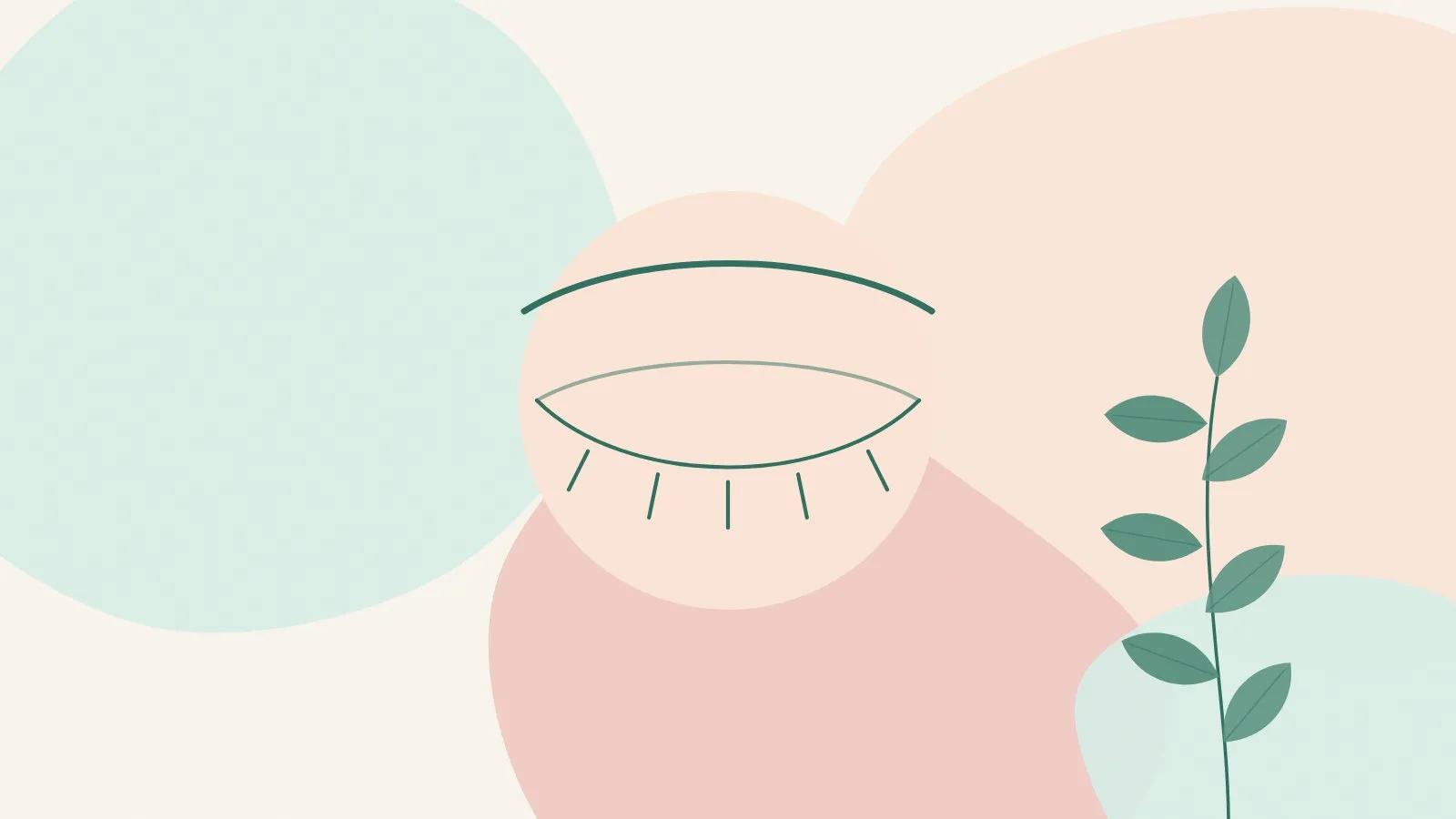
Face yoga for hooded eyes may help your brows and forehead feel more relaxed and toned, but it cannot remove excess eyelid skin or change the bone structure that gives many people hooded eyes, and there is no research on exercise for hooded eyelids specifically. For a lot of people, hooding is simply the shape of their eyes and nothing to correct. Below: the causes, how to tell hooding from a drooping eyelid that needs a doctor, and a gentle routine.
Can face yoga help hooded eyes?
Face yoga can work the muscles around your brows and help you release forehead tension, but its effect on the look of hooded eyes is uncertain. That’s the honest answer, and it’s worth knowing before you start.
- What it may offer: relaxation for a tense forehead, awareness of frowning and squinting habits, and a calm few minutes that pair well with skincare.
- What it can’t do: shrink extra eyelid skin, change the depth of your eye socket or brow bone, or do what eyelid surgery does. Exercise and surgery are different things.
The evidence for face yoga in general is limited. The best-known study is a small 2018 pilot in JAMA Dermatology: 27 women aged 40 to 65 enrolled and 16 completed 20 weeks of facial exercise, after which dermatologists rated their photos as showing fuller upper and lower cheeks (Alam et al., 2018). It didn’t measure the eyelids, had no control group and was very small, so larger controlled studies are needed. Our article on whether face yoga works looks at the research in more detail.
Why eyes look hooded
Eyes usually look hooded for one of three reasons, and most people have a mix of them. Knowing which applies to you helps you set realistic expectations.
Genetics and eye shape
For many people, hooded eyes are simply how their face is built. A fuller brow area, a deeper-set eye or a lower brow bone means a fold of skin rests over the eyelid crease, so less of the moving lid shows when your eyes are open. This is a common eye shape, it runs in families and it isn’t a problem to solve. If that’s you, the makeup tips further down may be all you need.
Brow position with age
With age, the brows can sit a little lower and the forehead skin loses some firmness. A lower brow pushes more skin down toward the lid, which can make hooding look heavier. Cleveland Clinic notes that drooping brows can add skin to the upper lids, which is why surgeons sometimes look at the brows as well as the lids (Cleveland Clinic, blepharoplasty).
Habit plays a small part too. Raising your brows to open your eyes, or frowning at screens, keeps the forehead busy all day. Relaxing it won’t move your brows, but your face may feel and look less tense. Our guide to forehead wrinkles covers this tension in more detail.
Eyelid skin and fat
With age, upper eyelid skin can lose elasticity and gather into a loose fold, sometimes with fat pushing forward underneath. The medical term for excess eyelid skin is dermatochalasis. According to Cleveland Clinic, extra upper-lid skin tends to hide the lid crease and make eye makeup harder to apply, and when it hangs over the lashes it can block part of your field of vision (Cleveland Clinic, blepharoplasty). If excess skin gets in the way of your sight, that’s a reason to see an eye doctor, not to try harder with exercises.
Hooded eyes vs drooping eyelids (ptosis): when to see a doctor
Hooded eyes are a fold of skin above a lid that opens normally; ptosis is a drooping of the eyelid itself, and it is a medical condition. With ptosis, the edge of the upper lid sits lower than it should, often because the muscle that lifts the lid is weakened or stretched. It can affect one or both eyes and may limit or block your vision (Cleveland Clinic, ptosis).
Face yoga is not a treatment for ptosis or for any eyelid condition. See a doctor or eye specialist if:
- the edge of your eyelid covers part of your pupil, or a heavy lid affects your vision
- one eyelid droops more than the other, or a droop is new
- you notice double vision or pain around the eye
Those are the warning signs Cleveland Clinic lists for seeing an eye care specialist about ptosis (Cleveland Clinic, ptosis).
Call emergency services straight away (999 in the UK, 911 in the US) if an eyelid or one side of the face droops suddenly, especially with weakness in an arm, slurred speech, sudden vision loss or a severe headache. These can be signs of a stroke. The NHS uses the word FAST to remember them: face, arms, speech, time to call (NHS, stroke symptoms). Don’t wait to see if it passes.
4 exercises for the brow and eye area
This three-minute routine relaxes the forehead and gently works the muscles around the brows and eyes. Wash your hands first and take out contact lenses if they feel uncomfortable.
The golden rule for the eye area is the lightest pressure of your whole routine. The skin here is thin, so never pull, drag or press on the eyeball or eyelid.
1. Anchored Brow Raise
This move works your forehead muscle while your fingers keep the skin smooth.
- Place the pads of your index and middle fingers just above each brow, resting lightly.
- Press very gently so the skin under your fingers stays still.
- Slowly try to raise your brows against your fingers, as if looking mildly surprised.
- Hold for about 5 seconds, then relax completely for a breath.
- Repeat about 5 times.
What you should feel: the forehead muscle working under your fingertips, with no lines forming. Common mistake: letting the forehead crease into lines. If you see creases, press a little more evenly or make the movement smaller.
2. Wide-Eye Hold
This move asks the muscles that open your eyes to work while your forehead stays relaxed.
- Rest one hand flat across your forehead to remind it to stay still.
- Open your eyes a little wider, as if focusing on something in the distance, without raising your brows.
- Hold for about 5 seconds, then close your eyes softly and rest for a moment.
- Repeat 5 or 6 times.
What you should feel: a light effort around the eyes and nothing in the forehead. Common mistake: raising the brows to help. Your palm will feel the forehead move; if it does, make the effort smaller.
3. Temple Lift
This move comes from the Gluvy app.
- Place your fingertips on both temples, just outside the outer corners of your eyes.
- Close your eyes and relax your brows.
- Glide your fingertips slowly up and down over the temples, moving the skin around the eye contour only very slightly.
- Keep a steady, unhurried rhythm for about 35 seconds.
What you should feel: a light, soothing movement at the sides of your eyes. Common mistake: pulling the skin sideways. Let your fingers move with the skin, not over it.
4. Forehead Smooth Down
This move comes from the Gluvy app’s follow-along videos and makes a calm finish.
- Place both palms flat across your forehead, fingertips meeting near the centre.
- Close your eyes.
- Glide your hands slowly downward toward your brows with gentle, even pressure.
- Lift off at the brows, return to the hairline and repeat in slow strokes for about 35 seconds.
What you should feel: light, calming pressure and your brows softening. Common mistake: pressing hard or continuing down over the eyelids. Stop at the brows.
If you also have puffiness under the eyes, the Under-Eye Slide from our list of 12 face yoga exercises adds a feather-light stroke along the bone below the eye.
Safety: stop any move that causes pain, stinging, watering or a headache. Check with your doctor first if you’ve had eye or eyelid surgery, injectables or other treatments around the eyes, or if you have an eye condition or infection.
These four moves are close to what you’ll find in the eye and forehead sessions of Gluvy’s face yoga video workouts, where a timer runs on every step so you don’t have to count.
Gua sha along the brow
Gentle gua sha on the brow and forehead may help the area feel relaxed and, in the morning, may briefly reduce the look of puffiness. It won’t move your brows or remove lid skin, so think of it as a soothing ritual rather than a shaping tool.
- Prepare. Cleanse and apply enough facial oil that the stone glides without tugging.
- Hold the stone almost flat, at roughly 15 to 45 degrees to the skin.
- Trace the brow. Using the long curved edge, glide from the inner end of your brow outward along the brow bone toward the temple. Stay on the bone above the eye, never on the eyelid.
- Sweep the forehead. Glide upward from the brows to the hairline, working from the centre out to the temples.
- Repeat each stroke three to five times, lifting the stone off at the end rather than scrubbing back and forth.
Keep the pressure lighter than on your cheeks. It shouldn’t hurt or leave marks; lasting redness or bruising means you’re pressing too hard. Skip broken or irritated skin, and avoid the eye area after recent eye surgery or treatments. Our step-by-step gua sha routine covers tool angle and stroke direction for the whole face, and our look at whether gua sha works explains what the research does and doesn’t show.
If you prefer to use your fingers, the Eye Area Revitalizing Massage is one of the gentle massage courses in Gluvy’s gua sha and facial massage video courses.
Habits that make hooded eyes look heavier
A few everyday habits can make the upper lids look puffier or heavier than usual. None of them changes your eye shape, but they’re easy to adjust.
- Rubbing your eyes. Tugging the thin eyelid skin irritates it. If your eyes itch often, ask a pharmacist or doctor about the cause.
- Salty dinners and alcohol. Many people notice puffier eyes the next morning; it usually settles as the day goes on. Our guide on how to debloat your face and gentle lymphatic drainage face massage cover morning puffiness.
- Short or poor sleep. Tired eyes often look heavier.
- Squinting and brow raising at screens. Check your glasses or contact lens prescription and make text on screen larger.
- Skipping sun protection. Sun exposure speeds up skin ageing, including around the eyes, so daily sunscreen and sunglasses help (AAD).
Makeup tips for hooded eyes
Makeup works with your eye shape instead of against it, and it can make a real difference to how open hooded eyes look.
- Place crease colour higher, slightly above your natural crease, where it shows with your eyes open.
- Choose matte or satin shades on the fold; shimmer can emphasise it.
- Keep liner thin at the inner corner and slightly thicker at the outer corner.
- Curl your lashes and use primer so shadow doesn’t transfer onto the fold.
Realistic expectations and tracking
If you try face yoga for hooded eyes, think of it as a practice you keep for months, not a quick fix, and judge it by how your face feels as much as how it looks. No routine can promise a visible change to hooded eyelids, and anyone offering a timeline is guessing.
- Be consistent. A few minutes most days beats long sessions you can’t keep up.
- Take same-light photos. Same spot, light, distance and relaxed expression, compared once a month. Our guide to face yoga before and after photos explains the setup.
- Note how you feel. A less tense forehead is worthwhile on its own.
- Watch for one-sided change. If one lid starts to droop or covers your pupil, see a doctor.
If excess skin bothers you or affects your vision, an eye doctor or oculoplastic surgeon can explain your options.
Practise eye and brow moves with Gluvy
Gluvy’s face yoga video workouts include 200+ guided exercises across the forehead, eyes and the rest of the face, organised into 3-week plans of 5 to 10 minutes a day with a timer on every step. You can track your routine with selfies in the progress journal and pair it with the gentle eye-area massage courses. For other areas of the face, browse our guide to facial exercises by area, or start with the full-face 5-minute face yoga routine for beginners. When you’re ready, download Gluvy on iPhone.
Sources
- Alam M, et al. Association of Facial Exercise With the Appearance of Aging. JAMA Dermatology, 2018.
- Cleveland Clinic. Ptosis (Drooping Eyelid).
- Cleveland Clinic. Eyelid Surgery (Blepharoplasty).
- NHS. Symptoms of a stroke.
- American Academy of Dermatology. How to reduce premature aging of your skin.
Frequently asked questions
Can hooded eyes be changed without surgery?
Not structurally. The fold comes from your bone structure, brow position and eyelid skin, and exercise or massage cannot remove skin or reshape bone. What you can change a little is how the area looks day to day: a relaxed forehead, less morning puffiness and makeup placed for your eye shape can all make your eyes look more open.
How long does face yoga take to work for hooded eyes?
There is no proven timeline, and no study has measured face yoga on hooded eyelids specifically. If you want to see whether a routine makes any difference for you, practise consistently and compare same-light photos about once a month rather than checking the mirror every day.
Do eye exercises make hooded eyes worse?
Gentle exercises shouldn't, as long as your forehead stays relaxed. The thing to avoid is repeatedly creasing your forehead or squeezing your eyes hard, and pulling or rubbing the thin eyelid skin. Keep every eye-area move light and stop if anything feels uncomfortable.
Is a droopy eyelid the same as hooded eyes?
No. Hooded eyes usually mean a fold of skin from the brow area sits over the lid crease, while the eyelid itself opens normally. A droopy eyelid, called ptosis, means the edge of the lid sits lower than it should, and it is a medical condition. If one lid droops, a lid covers part of your pupil or a droop appears suddenly, see a doctor or eye specialist.
Can gua sha help hooded eyes?
Gentle gua sha along the brow and forehead may help the area feel relaxed and may briefly reduce the look of puffiness, especially in the morning. It won't remove eyelid skin or change your eye shape. Use very light pressure, plenty of oil, and keep the stone off the eyelid itself.

Practise this with Gluvy. Follow-along videos with a timer for every step. See Gluvy's guided chin and jawline program.
Download on theApp Store
The team that builds Gluvy writes these guides from the app's own face yoga, gua sha and skincare courses. We are not doctors or dermatologists: articles are general wellness information, and we link to the research where it exists.
This article is general wellness information, not medical advice. Talk to a doctor or dermatologist if you have a skin, jaw or other medical condition.