Gluvy
Gluvy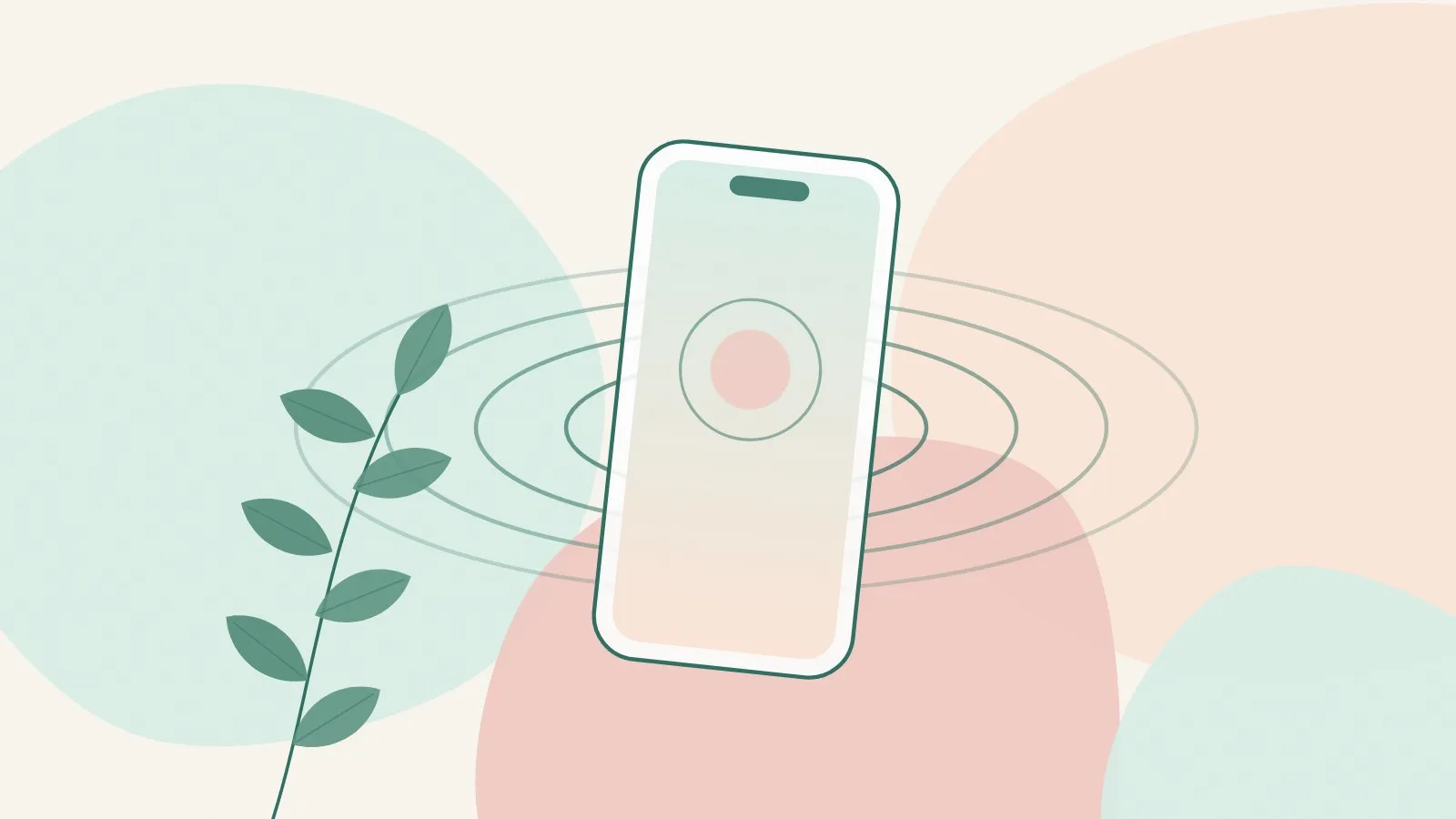
Face yoga vs microcurrent is a comparison between an exercise habit and an electrical device, not two versions of the same thing. An at-home microcurrent device sends a low-level electrical current through your skin and is marketed for facial “toning”; face yoga is a routine of voluntary facial exercises and self-massage that you do with your own muscles and hands. The evidence for both is limited and mostly small, so neither can promise visible results. Below is how each works, what the research actually shows, who should not use microcurrent, and how to decide before you spend money on a device.
The short answer
Microcurrent and face yoga are different approaches with different costs, and neither has strong evidence behind it.
- Microcurrent devices are handheld gadgets that pass a very small electrical current across the skin. Manufacturers say this stimulates facial muscles and skin; independent research is thin.
- Face yoga is a set of exercises, holds, stretches and gentle massage. It needs no equipment, only a few minutes and some patience.
- They are not interchangeable. Face yoga doesn’t do what a device does, and a device doesn’t teach you to notice habits like frowning or clenching your jaw.
A simple way to decide:
- Consider a device if you’re curious about the technology, have checked that none of the warnings apply to you, and are comfortable spending money on uncertain results.
- Try face yoga first if you’d like a free or low-cost habit, enjoy routines, and are fine with modest, uncertain outcomes.
- Unsure about your health? Ask a doctor before using any electrical device on your face.
How at-home microcurrent devices work
At-home microcurrent devices apply a weak electrical current through the skin while you glide them over your face, usually on top of a conductive gel.
Home devices are designed for personal use without medical supervision. A 2024 review of home beauty devices notes that home devices run at lower energy output than medical devices, which is one reason their effectiveness is questioned (Bu et al., 2024).
You’ll also see devices labelled EMS (electrical muscle stimulation) or “face toning devices”. The marketing uses these terms loosely, so read what the device itself says it does, and check its instructions rather than the product page.
What “FDA-cleared” means
Many devices are advertised as “FDA-cleared”, and that is not the same as “FDA-approved”. The FDA explains that a 510(k) premarket notification shows a device is substantially equivalent to one that is already legally on the market. Approval through premarket approval (PMA) is a separate, stricter pathway that requires scientific evidence of safety and effectiveness (FDA, Device Approvals and Clearances).
So clearance is a legal permission to sell a device for a stated use. It doesn’t mean the FDA has confirmed that the device will visibly change your face. If a product claims clearance, its listing should name the specific use it was cleared for.
A typical device routine
Most at-home routines follow the same pattern, though each device has its own instructions:
- Start with clean, dry skin and apply the conductive gel or primer the maker recommends.
- Glide the device slowly in set directions over each area, such as the jaw, cheeks and forehead, for a few minutes.
- Wipe off the gel and continue with your usual skincare.
Follow the timing and frequency in your device’s manual, not a social media video.
What the evidence says
Both practices have only small studies behind them, and there is no good study comparing them directly.
Microcurrent evidence
Independent, peer-reviewed research on at-home facial microcurrent is limited. The 2024 review by Bu and colleagues looked at home radiofrequency, LED and microcurrent devices for skin aging and found that research reports are limited, and that existing studies have small sample sizes and short follow-up periods (Bu et al., 2024). It also notes that there are relatively few studies that focus specifically on microcurrent.
Some studies you’ll see quoted in marketing are funded by device makers, test a different technology (such as radiofrequency or stronger muscle stimulation), or measure outcomes in a lab rather than on faces. When you read a claim, check three things: how many people took part, whether there was a comparison group, and who paid for it.
Face yoga evidence
Face yoga’s evidence is just as thin. The study most often cited is a small 2018 pilot in JAMA Dermatology (Alam et al., 2018):
- Who: 27 women aged 40 to 65 enrolled; 16 completed.
- What: 30 minutes of facial exercises a day for 8 weeks, then every other day until week 20.
- Result: dermatologists rating standardised photos saw improved upper and lower cheek fullness, and average estimated age fell from about 50.8 to 48.1 years.
There was no control group. A 2014 systematic review judged the evidence for facial exercise insufficient (Van Borsel et al., 2014), and a 2025 systematic review of 12 studies with 321 women reached a similar conclusion (Aesthetic Surgery Journal Open Forum, 2025). Larger controlled studies are needed. Our face yoga research roundup and does face yoga work? cover each study in detail.
Face yoga vs microcurrent: comparison table
Side by side, the biggest differences are cost, safety warnings and how much you depend on equipment. Information as of October 2026; sources are linked in the sections above.
| Face yoga | At-home microcurrent device | |
|---|---|---|
| What it is | Facial exercises, stretches and self-massage | Handheld device that passes a low-level current through the skin |
| How it works | You contract, hold and relax facial muscles | Electrical current applied with a conductive gel |
| Evidence | One small study without a control group; reviews call the evidence insufficient | Limited; small studies with short follow-up, few focused on microcurrent alone |
| Regulatory status | None needed | Some devices are FDA-cleared (substantial equivalence), which is not FDA approval |
| Cost | Free on your own; optional app or class | Upfront device price plus gel; prices vary, so check current listings |
| Time | 5 to 10 minutes a day is a common routine | A few minutes per area, per the device’s instructions |
| Learning curve | Learn moves and light pressure; a mirror helps | Learn gel use, glide directions and settings from the manual |
| Safety | Low-risk for most; jaw or neck strain if overdone | Read the device’s warnings; not advised for some people (see below) |
| Portability | Anywhere, no equipment | Device, charger and gel |
Who should not use microcurrent
Not everyone should use an electrical device on their face, and your device’s instructions are the final word on who shouldn’t.
Cleveland Clinic, writing about frequency-specific microcurrent therapy (a clinical treatment, not a beauty device), says providers may not recommend it, out of caution, for people who:
- have a pacemaker;
- have an implanted pump, such as an insulin pump;
- have seizures;
- are pregnant.
Device manuals may list further reasons not to use a device, such as other implanted electronic devices, metal implants in the face, or broken or irritated skin. Read your device’s warnings in full before the first use. If you have a heart condition, any implant, a seizure disorder, a skin condition, or you’ve had recent facial surgery, fillers or injections, ask your doctor first. Stop using the device and seek advice if you notice anything unusual, such as skin irritation, discomfort or feeling unwell.
Can you combine them?
Yes, many people could do both, as long as the device is used exactly as its instructions say and face yoga stays gentle.
Some practical ways to fit them together:
- Use them at different times. Face yoga in the morning and the device in the evening, or on alternate days.
- If you do both in one session, do face yoga first, then cleanse and apply the gel the device needs, so you’re not doing exercises over a layer of gel.
- Don’t stack intensity. If your skin is red or sensitive after a device session, skip face massage or gua sha until it settles.
- Track one change at a time. If you start both at once, you won’t know what made a difference, if anything did.
There is no evidence that combining them works better than either one alone.
How to start with face yoga for free or low cost
The cheapest way to find out whether you enjoy face-focused self-care is a short daily face yoga routine before you buy anything.
- Pick 5 to 10 minutes a day. A short routine you keep is more useful than a long one you skip. Our 5-minute face yoga routine for beginners needs no app, and the 12 face yoga exercises for every area show each move.
- Use light pressure. You should feel gentle effort or a stretch, never pain. Stop if your jaw clicks, locks or aches.
- Take a baseline photo. Use the same light, angle and time of day, and repeat every couple of weeks. Our guide to face yoga before and after photos explains how to compare fairly.
- Judge by more than looks. Notice whether your face and jaw feel more relaxed and whether you’re catching habits like frowning.
- Reassess after a few weeks. If you enjoy the habit and still want to try a device, you’ll at least have honest photos to compare against.
Check with a clinician first if you have a jaw joint (TMJ) problem, facial palsy, a neck condition, or recent facial surgery or injectables.
Face yoga with Gluvy
If you’d like to follow along, Gluvy is an iPhone app for face yoga. Gluvy’s face yoga video workouts include more than 200 guided video exercises across the forehead, eyes, cheeks, mouth, jaw and neck, plus full-face routines, organised into 3-week plans of 5 to 10 minutes a day with a timer on every step. Reminders help you keep the habit, and a progress journal with selfies helps you compare photos honestly. Gluvy doesn’t connect to or replace any microcurrent device; it’s a wellness routine, not a medical treatment. See more comparisons or download Gluvy to try a guided routine before you buy a device.
Sources
- Alam M. et al. “Association of Facial Exercise With the Appearance of Aging.” JAMA Dermatology, 2018. doi:10.1001/jamadermatol.2017.5142
- Van Borsel J. et al. “The effectiveness of facial exercises for facial rejuvenation: a systematic review.” Aesthetic Surgery Journal, 2014. doi:10.1177/1090820X13514583
- Systematic review of facial exercise studies. Aesthetic Surgery Journal Open Forum, 2025. pmc.ncbi.nlm.nih.gov
- Bu P. et al. “Development of Home Beauty Devices for Facial Rejuvenation: Establishment of Efficacy Evaluation System.” Clinical, Cosmetic and Investigational Dermatology, 2024. pmc.ncbi.nlm.nih.gov
- U.S. Food and Drug Administration. “Premarket Notification 510(k).” fda.gov
- U.S. Food and Drug Administration. “Device Approvals and Clearances.” fda.gov
- Cleveland Clinic. “Frequency Specific Microcurrent (FSM).” clevelandclinic.org
Frequently asked questions
Is microcurrent better than face yoga?
Nobody knows, because no good study has compared them head to head. Both have only small studies behind them, and they work in different ways: a microcurrent device passes a low-level electrical current through the skin, while face yoga relies on you moving your own muscles. The better choice is the one that fits your budget, comfort and routine.
Is microcurrent safe?
At-home devices are sold for home use, but they come with warnings and reasons not to use them that you should read before you start. Cleveland Clinic notes that, for clinical microcurrent therapy, providers may advise against it for people with a pacemaker, an implanted pump or seizures, or who are pregnant. If any of these apply, or you have another health condition, implants or recent facial treatments, ask your doctor before using one.
Do results from microcurrent or face yoga last?
Any effect from either seems to depend on keeping it up. Device makers generally recommend regular, ongoing use, and the same is true of any exercise routine, including face yoga. There is no reliable evidence on how long changes last once you stop.
Can face yoga replace a microcurrent device?
Not in the sense of doing the same thing, because face yoga is a different practice. It is a free or low-cost habit that uses your own muscles and hands, while a device delivers electrical current. If you are deciding between them, choose by budget, preference and comfort rather than expecting one to copy the other.
Can I use a microcurrent device and do face yoga on the same day?
Many people would find that easy to fit in, for example face yoga in the morning and the device in the evening. Follow your device's instructions on how often and how long to use it, keep face yoga gentle, and stop either one if your skin becomes irritated or something feels wrong.

Practise this with Gluvy. Follow-along videos with a timer for every step. See everything in the Gluvy app.
Download on theApp Store
The team that builds Gluvy writes these guides from the app's own face yoga, gua sha and skincare courses. We are not doctors or dermatologists: articles are general wellness information, and we link to the research where it exists.
This article is general wellness information, not medical advice. Talk to a doctor or dermatologist if you have a skin, jaw or other medical condition.